
Boundary Overhangs: Where Do You Stand Legally?
posted 4th March 2026
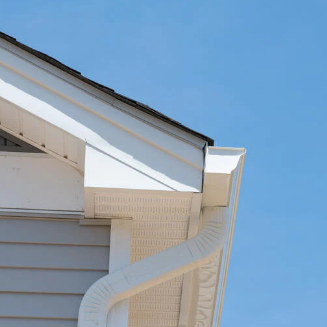
It is not uncommon, particularly with older properties, to discover that elements such as fascias, soffits and rainwater goods slightly overhang the legal boundary. This often comes to light during inspection works, roof replacements, or when a boundary dispute arises.
But what happens when ownership has changed several times, the overhang has existed for decades, and there is nothing in the title deeds confirming a right to overhang?
Below we explore the legal position in England and Wales.
1. The Starting Point: The Title Deeds
The first step is always to review the registered title and any historic conveyances. Occasionally, older transfers expressly grant rights for:
- Eaves
- Gutters
- Projections
- Maintenance access
However, many 1930s and mid-20th century properties contain no such wording, particularly in terraced or semi-detached arrangements where minor overhangs were simply constructed as part of the original build.
If the deeds are silent, the position does not automatically mean the overhang is unlawful.
2. Long Use and Prescriptive Rights
Where a fascia, soffit, and gutter have:
- Overhung the boundary openly
- Been in place continuously
- Not been installed with permission
- Not been challenged
For a period exceeding 20 years, a legal right may arise by prescription.
This principle derives from common law and the Prescription Act 1832.
In simple terms, if the overhang has existed without objection for decades (for example since the 1930s), the building owner may have acquired a prescriptive easement — even if the deeds do not refer to it.
Importantly, once acquired, such a right:
- Attaches to the land (not the individual owner)
- Passes automatically to future purchasers
- Does not need to be expressly written into modern title documents
3. What Must Be Proven?
If challenged, the burden of proof rests with the party asserting the right.
Evidence might include:
- Historic photographs
- Aerial imagery
- Planning drawings
- Surveyor reports
- Witness statements from long-term owners
The key question is whether the overhang has existed substantially unchanged for at least 20 years.
4. Does Demolition or Replacement Affect the Right?
This is where matters become more nuanced.
Courts have historically distinguished between:
- Maintaining an existing overhang, and
- Increasing or extending an encroachment
If the original roof structure is replaced like-for-like, the prescriptive right is generally stronger.
However, complete demolition and rebuild can sometimes weaken the position, particularly if:
- The projection increases, or
- The physical character of the structure materially changes
Each case turns on its own facts.
5. What If No Prescriptive Right Exists?
If the overhang cannot be proven to have existed for the required period, or if it arose by agreement (which defeats prescription), the adjoining owner may technically be entitled to insist that:
- The projection is removed; or
- Any replacement works are kept entirely within the legal boundary
In practice, many such matters are resolved by:
- A deed of easement
- A boundary agreement
- Or simply a pragmatic neighbourly resolution
6. Practical Advice for Property Owners
If you discover an overhang issue:
- Do not assume it is unlawful.
- Review the title documentation.
- Consider the age and history of the structure.
- Gather evidence before engaging in dispute.
- Seek professional advice before carrying out replacement works.
Older properties frequently contain minor boundary projections that have existed unchallenged for generations. The law often recognises long-standing arrangements, but clarity and evidence are critical.
Final Thought
Boundary overhangs involving soffits, fascias and gutters are rarely straightforward. While the absence of wording in the deeds may appear concerning, decades of uninterrupted use can significantly strengthen a property owner’s legal position.