
Deceptive Calm: What the Walls Were Hiding
posted 20th April 2026
A Cardiff EWS1 survey reveals that a seemingly low-risk residential block concealed serious fire compartmentation failures behind its conventional façade.
On the surface, it looked like exactly the kind of building you would walk past without a second thought. A mid-rise block of flats in Cardiff — conventionally built, no exotic cladding, no obvious indicators of the sort of external wall assembly that has dominated the post-Grenfell conversation on fire safety. Our team's initial walk-around offered little cause for alarm. That first impression, however, was precisely the danger.
The absence of visible cladding risk on the outside of a building tells you almost nothing about what is happening inside the wall build-up.
What We Found When We Looked Inside
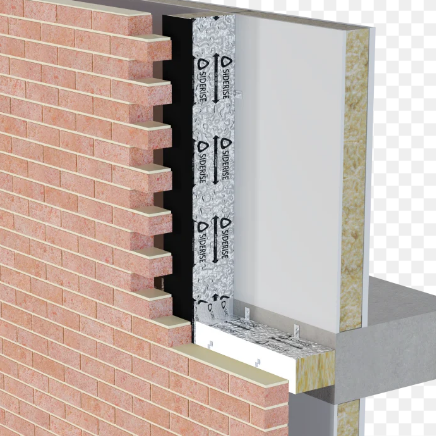
The real findings began once we moved from visual inspection to investigative opening-up works. At strategic locations — between fire compartments at floor levels, around window jambs, and at service penetrations where pipes and cables pass through the wall build-up — inspection panels were removed to allow direct observation of cavity conditions.
What we found was deeply concerning. Despite the building's conventional appearance, it was quickly apparent that no meaningful consideration had been given to preventing the spread of fire into the cavity space. The critical measures that should have been present — cavity barriers, fire-rated intumescent seals, and effective compartmentation at floor junctions — were either absent, incorrectly installed, or had degraded beyond usefulness.
Key Findings
- No effective cavity barriers at floor-level junctions between fire compartments
- Open cavities at window jamb positions providing a direct lateral fire-spread route
- Service penetrations passing through compartment walls without fire-stopping treatment
- Existing fire-stopping attempts using inappropriate or degraded materials
Why This Matters
An unobstructed cavity within an external wall acts as a flue: hot gases and flames rise, drawing in fresh air from below and accelerating combustion. A fire that gains access to such a cavity has effectively been given a concealed pathway that bypasses every other element of the building's designed fire strategy — with occupants on upper floors potentially unaware until it is too late.
One of the most important lessons from this survey is the danger of assuming that buildings in traditional materials are automatically safe. Regulatory requirements for cavity barriers have evolved considerably over decades, and buildings constructed before more stringent standards came into force may never have had compliant fire-stopping installed. Subsequent maintenance or service works can quietly undermine what little was there.
The Outcome
The building could not receive a satisfactory EWS1 outcome without remediation. Reinstating cavity barriers, fire-stopping all service penetrations, and fully documenting the extent of deficiencies will be required before any re-assessment. For building owners and residents alike, the message from Cardiff is clear: ordinary-looking buildings can harbour serious hidden deficiencies — and the only way to know is to look.