
Why you should consult a building surveyor before taking a long-term commercial lease in London (especially in a listed building or conservation area)
posted 5th January 2026
Why you should consult a building surveyor before taking a long-term commercial lease in London (especially in a listed building or conservation area)
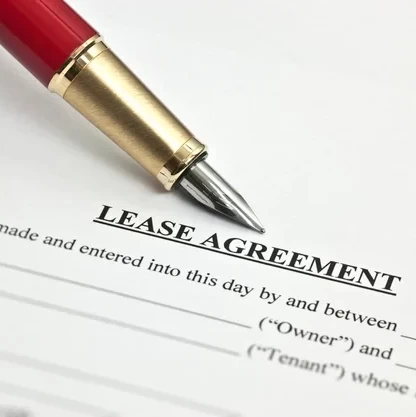
Signing a long-term commercial lease can be one of the biggest commitments a business makes—sometimes bigger than the fit-out itself. Yet many tenants focus almost entirely on rent, incentives, and the headline “deal”, and only realise later that the real cost sits in the repairing obligations, compliance issues, and reinstatement requirements.
That risk is amplified in London, where commercial property is often older, altered many times, and frequently located in listed buildings or conservation areas—both of which can restrict what you can change and increase what it costs to maintain.
I’m a Chartered Building Surveyor with 30 years’ experience in the building industry. Here’s why getting proper surveying advice before you commit can save you significant money, time, and legal exposure.
A long lease can make you responsible for far more than you expect
Commercial leases often place a heavy burden on the tenant to keep the property in good condition—sometimes regardless of the building’s age, condition at the start, or hidden defects.
The key point: repairing obligations aren’t just about day-to-day maintenance. Depending on the lease wording, you can be responsible for:
• Putting the premises into repair (even if it wasn’t in repair when you took it)
• Remedying deterioration that pre-dates your occupation
• Handling major items (roofing, structure, external fabric) in certain leases
• Complying with statutory requirements (fire, asbestos, accessibility, etc.)
• Returning the property at lease end in a specified condition—sometimes including reinstatement of alterations
A small change in wording can be the difference between:
• “Keep in good repair” (ongoing obligation), and
• “Put and keep in good repair” (can require you to upgrade condition, not just maintain it)
That’s why surveying input at lease review stage matters just as much as inspecting the building.
Listed buildings and conservation areas: extra constraints, extra cost, extra risk
If the building is listed or in a conservation area, you may face:
1) Restrictions on alterations and fit-out
What seems like a straightforward change—new signage, new shopfront, replacement windows, internal partitions, even certain M&E routes—can require approvals.
• Listed buildings can require listed building consent for works that affect character (often internally as well as externally).
• Conservation areas introduce additional planning sensitivities and can restrict external changes.
This can affect:
• Programme (approvals take time)
• Budget (heritage-appropriate methods/materials cost more)
• Design flexibility (some changes may not be permitted at all)
2) “Like-for-like” repairs can be expensive
Traditional construction (solid walls, lime mortars, timber sash windows, slate roofs) often demands specialist repairs. If your lease says you must keep the building in “good repair,” that may mean heritage-standard repairs, not modern substitutes.
3) Compliance and upgrades are not always straightforward
Upgrading fire safety, acoustics, ventilation, and accessibility in older/heritage buildings can be technically complex and sometimes constrained by the building fabric.
A surveyor can help you understand what’s realistic, what’s required, and what could become an expensive dispute later.
The biggest hidden commercial lease risk: dilapidations
Dilapidations are the landlord’s claim (usually at lease end, sometimes interim) that you have not met your repairing obligations.
In practice, dilapidations can run into tens or hundreds of thousands of pounds, especially in London, and particularly where:
• The property is old or has been patched and altered repeatedly
• The lease requires a high standard of condition at hand-back
• There’s no reliable record of the starting condition
• Alterations need reinstatement
• M&E and fire compliance issues have built up over time
Many disputes come down to one issue: the lease says one thing, the building condition says another, and nobody properly documented the baseline.
What a building surveyor does for you before you sign
A proper pre-lease survey isn’t just “spotting defects.” It’s about linking the building’s condition to your potential liability under the lease.
1) Condition survey: know what you’re taking on
This identifies:
• Roof and rainwater goods issues (common in London stock)
• Damp and moisture movement (often misunderstood in older buildings)
• Structural movement and cracking patterns
• Condition of windows/doors and external fabric
• Internal condition and signs of concealed defects
2) M&E and statutory risk awareness
Depending on the premises and your use, you may need to consider:
• Electrical installation condition and capacity
• Heating/ventilation performance and compliance
• Fire precautions and compartmentation issues
• Asbestos risk (especially in 20th-century refurbishments)
• Legionella risk in water systems
• General health and safety duties for occupation
A surveyor helps you identify what is a landlord item, what could become a tenant duty, and what should be clarified in the lease.
3) A Schedule of Condition: your best protection
One of the most effective tools is a Schedule of Condition attached to the lease, typically with photos and written notes.
It can limit your obligation so that, instead of returning the premises to some ideal standard, you are required to return it no worse than its documented condition at the start (fair wear and tear aside, depending on wording).
This is often the difference between a manageable exit and a painful dilapidations claim.
Reviewing the lease: small wording changes, huge liability changes
Surveyors and solicitors do different jobs, and you need both. Your solicitor handles the legal mechanism; your surveyor focuses on how the words translate into physical responsibility and cost.
Key clauses to scrutinise (because they commonly drive liability):
• Repairing obligation (keep vs put and keep; repair vs renew; internal only vs full repairing)
• Yield up / reinstatement (what condition must you hand back? strip-out? reinstate alterations?)
• Alterations clause (what approvals are required, and do you have to reinstate?)
• Decoration cycles (some leases require redecorating at set intervals)
• Service charge scope (what can the landlord recover? major works? management fees?)
• Insurance and damage (who pays excess? what happens after insured damage?)
• Break clause conditions (often linked to compliance with repairing obligations)
• Definition of “Premises” (does it include structure, roof, external parts, common parts?)
A single word can change your exposure dramatically. The earlier this is addressed, the more negotiating power you have.
London-specific realities tenants often underestimate
Commercial premises in London frequently involve:
• Older buildings with complex histories of alterations
• Basements and vaults (damp risk, tanking failures, ventilation concerns)
• Mixed-use buildings (noise transfer, fire separation complexity)
• Tight access for repair works (scaffolding, licenses, traffic management costs)
• Heritage constraints (especially in central areas)
All of these can turn “routine maintenance” into expensive, disruptive work—work you may be contractually obliged to fund.
Practical next steps before you commit
If you’re considering a long-term lease—particularly in a listed building or conservation area—these are sensible steps:
1. Commission a building survey before exchanging / committing
2. Request a Schedule of Condition and insist it is attached to and referenced in the lease
3. Have your surveyor and solicitor coordinate on repairing/yield-up/alterations clauses
4. Clarify statutory compliance responsibilities (especially fire safety and asbestos)
5. Budget realistically for maintenance and planned works over the lease term
Final thought
A long commercial lease is not just a tenancy—it’s a transfer of risk. In London, and especially in heritage contexts, that risk can become very expensive very quickly.
Taking advice early from a Chartered Building Surveyor can help you:
• Understand what you’re inheriting
• Negotiate fairer lease wording
• Protect yourself with a Schedule of Condition
• Avoid avoidable dilapidations exposure at the end
Note: This article is general information, not legal advice—your solicitor should advise on the legal effect of the lease terms.